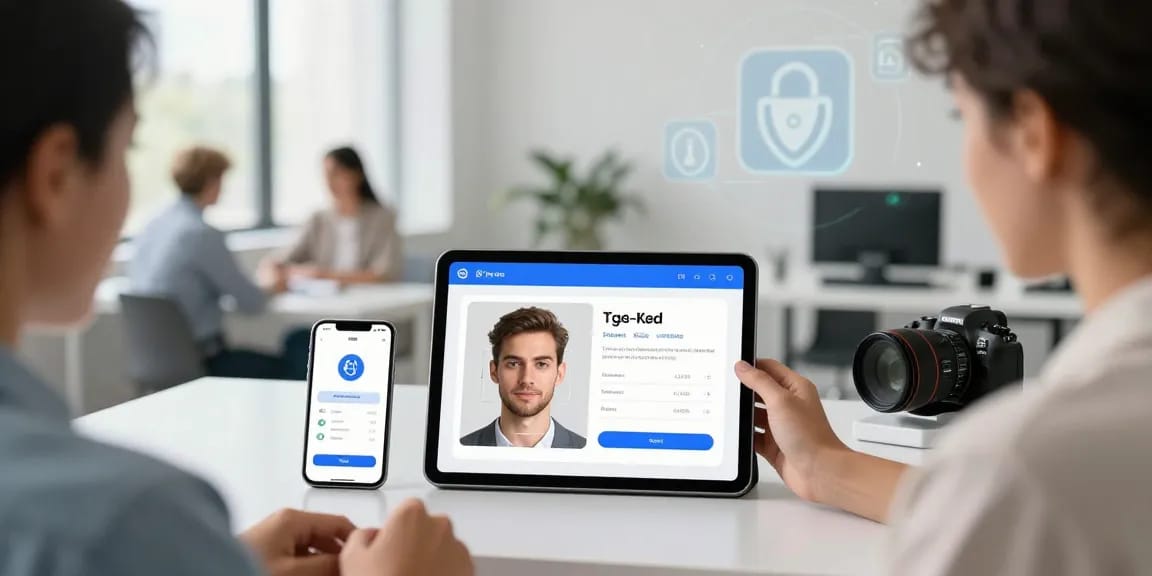
Understanding Age Verification Systems
In an increasingly digital world, the necessity for age verification system has become more apparent than ever. Such systems serve as a critical gatekeeping mechanism, ensuring that users accessing age-restricted content are compliant with legal requirements. The rise in online content that necessitates age checks has propelled the demand for solutions that balance user experience with adherence to regulatory practices. In this article, we will delve into the core characteristics of age verification systems, their legal implications in 2026, and the benefits they bring to various organizations.
What is an Age Verification System?
An age verification system, often referred to as age gating, is a technological solution designed to confirm an individual's age before granting access to specific content. This can encompass a variety of methods ranging from traditional ID checks to modern biometric solutions like facial recognition. The system acts as a shield to prevent minors from accessing adult content, thus fostering a safer online environment.
Key Components of Effective Age Verification
For an age verification system to be effective, it must include several key components:
- Accuracy: The method used must provide a high degree of accuracy in age estimation.
- User Experience: Systems should strive for minimal friction to ensure a smooth user journey.
- Compliance: Adherence to local regulations is vital for preventing legal repercussions.
- Data Security: Given the sensitivity of biometric data, systems must prioritize user privacy and robust data protection measures.
The Legal Importance of Age Verification in 2026
As we progress into 2026, the legal landscape surrounding age verification systems is becoming increasingly stringent. Numerous jurisdictions worldwide are enacting laws that mandate age verification for online services, particularly those offering adult content or gambling. Companies must navigate this evolving legal framework to avoid hefty fines and reputational damage. Compliance with such regulations not only protects organizations from legal issues but also enhances their credibility with users.
Benefits of Implementing Age Verification Systems
Implementing an effective age verification system yields multiple benefits that extend beyond mere compliance. Organizations that integrate these systems can expect enhanced user trust, reduced drop-off rates, and a more streamlined compliance process.
Enhancing User Trust and Safety
One of the primary advantages of an age verification system is the enhancement of user trust. When users are assured that a platform prioritizes their safety, they are more likely to engage with the content offered. Age verification systems effectively build a protective barrier that prevents minors from accessing inappropriate material, which is crucial in fostering a responsible online community.
Reducing Drop-off Rates and Boosting Conversions
In many cases, implementing an intuitive age verification process can significantly reduce drop-off rates. Users are deterred by complicated verification processes that disrupt their experience. An efficient age verification system, such as one that uses biometrics or instant email verification, can provide fast and seamless access, thereby enhancing conversion rates as users experience less friction during the verification process.
Streamlining Compliance with Industry Regulations
The landscape of regulations regarding age verification is complex and often varies by region. Implementing an age verification system not only simplifies the compliance process but also allows organizations to stay ahead of evolving regulations. By employing a system that automatically adapts to different legal requirements, businesses can maintain compliance with little ongoing effort.
Choosing the Right Age Verification Method
Determining the appropriate method for age verification can be a daunting task given the variety of options available. Each method comes with its unique advantages and challenges.
Comparing Face Scanning vs. Email Verification
Face scanning technology offers a high level of accuracy and immediate results, making it an excellent choice for platforms requiring stringent age checks. Alternatively, email verification provides a less intrusive option, using users' email activity history to estimate age. Organizations must weigh the sensitivity of the content they provide against the user experience when choosing between these methods.
Cost-Effectiveness of Different Verification Solutions
When evaluating age verification systems, cost-effectiveness is always a consideration. Solutions like Agemin offer scalable pricing options, meaning businesses only pay for the verifications they use. This flexibility is particularly beneficial for startups and small businesses looking to implement compliant systems without incurring excessive costs.
Best Practices for Seamless User Experience
To ensure a successful age verification process, organizations should adhere to several best practices. This includes using user-friendly interfaces, minimizing data entry requirements, and ensuring fast verification times. By maintaining a focus on user experience, businesses can increase compliance while also enhancing user satisfaction.
Ensuring Compliance Across Different Regions
As age verification laws differ from region to region, understanding these regulations is crucial for businesses operating on a global scale. Organizations must also consider local cultural attitudes toward data privacy and age verification.
Understanding Regional Age Verification Laws
Age verification laws can vary significantly from one country or state to another. In the UK, for instance, the Challenge-25 approach suggests that entities should request proof of age from anyone who appears under 25, while other regions may have less stringent requirements. Knowledge of these specific laws is essential for compliance and to avoid penalties.
Adapting to the Challenge-25 Approach
The Challenge-25 approach advocated by regulators, such as Ofcom in the UK, requires organizations to verify users who seem under a certain age, thus providing added protection for minors. Implementing a system that can easily adapt to this standard not only helps comply with regulations but also supports better child protection practices.
Case Studies of Successful Compliance Strategies
Numerous organizations have successfully navigated the complexities of age verification compliance. For example, e-commerce platforms that have integrated real-time age estimation solutions have found that their rate of compliance increased significantly, leading to lower penalties and an enhanced reputation among users.
Future Trends in Age Verification Technology
The future of age verification technology is likely to be shaped by advances in AI, data privacy concerns, and evolving legal frameworks. Businesses that stay ahead of these trends will be better positioned for success.
Emerging Technologies Influencing Age Verification
As AI continues to evolve, the capabilities of age verification systems are expanding. Innovations such as deep learning and improved facial recognition algorithms are creating verifiable methods that are both accurate and user-friendly. Companies must keep abreast of these developments to optimize their verification processes.
Predictions for Age Verification Laws in 2026
It is anticipated that as the internet continues to expand, so too will the regulations governing age verification. Predictions suggest that compliance will become mandatory for a wider array of content types, impacting a broader spectrum of online businesses. Keeping an eye on these trends will be crucial for companies aiming to maintain a competitive edge.
Addressing Privacy Concerns with Innovative Solutions
As data privacy continues to be a significant concern for users, compliance with privacy laws like GDPR will be paramount for age verification systems. Developing transparent processes that inform users about the handling of their data can foster trust and acceptance of age verification methods.
How to Choose an Age Verification Vendor?
Choosing the right age verification vendor is a critical decision for organizations. Key considerations include the vendor's compliance with regional laws, the accuracy of their verification methods, and their ability to integrate with existing systems. Conducting thorough research and possibly even pilot testing multiple solutions can help ensure a good fit for the organization's needs.