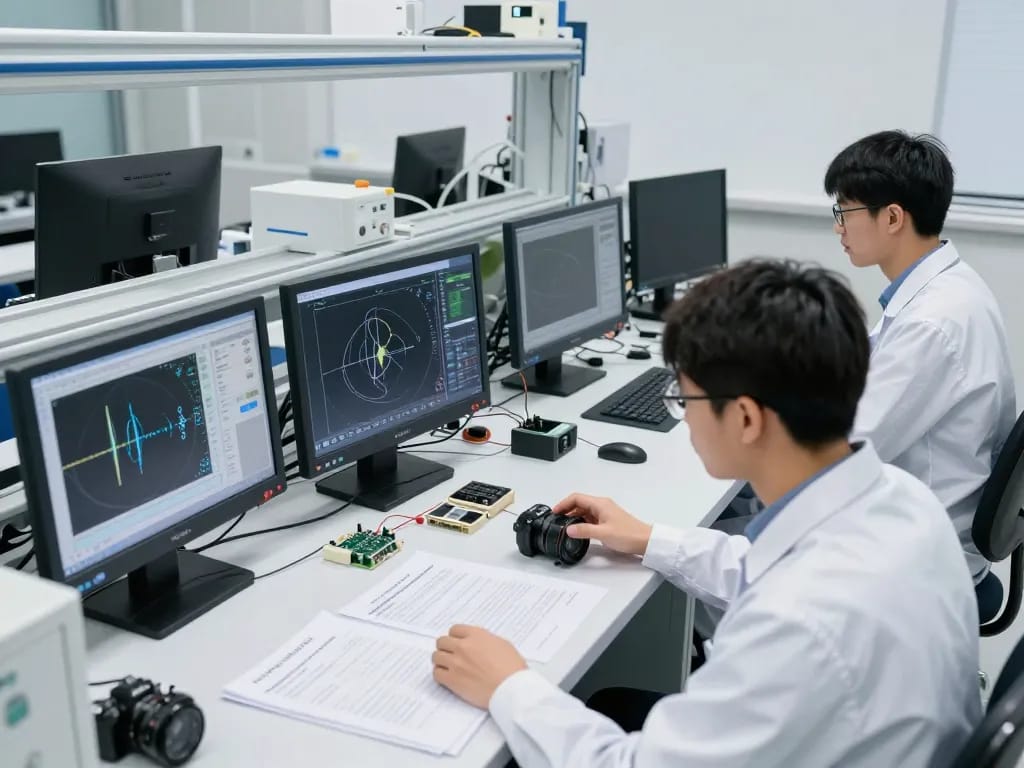
Understanding Bluetooth Testing and Compliance
Bluetooth technology has become a cornerstone in the connectivity landscape, enabling seamless communication between a variety of devices, from smartphones to automotive systems. As Bluetooth adoption continues to rise, ensuring the compliant functionality of these devices through rigorous testing becomes paramount. In this article, we will explore the intricacies of Bluetooth testing, the importance of compliance, and the standards governing these processes, ultimately enabling manufacturers to deliver reliable, high-performance products to consumers.
What is Bluetooth Testing?
Bluetooth testing refers to the evaluation of devices equipped with Bluetooth technology to ensure they function correctly and comply with industry standards. This process includes verifying the compatibility, performance, and overall efficiency of Bluetooth-enabled devices. Testing is crucial as it helps identify potential issues, ensuring that devices can maintain reliable connections and deliver optimal user experiences.
The Importance of Compliance in Bluetooth Devices
Compliance is essential in Bluetooth devices to meet legal and safety regulations imposed by various authorities worldwide. Inadequate compliance can lead to malfunctions, reduced user satisfaction, or even product recalls. Ensuring compliance with standards such as Bluetooth SIG specifications protects manufacturers from legal repercussions while also fostering consumer trust in their products.
Common Bluetooth Testing Standards and Regulatory Requirements
Bluetooth testing is guided by a range of standards to ensure devices operate seamlessly. Key standards include:
- Bluetooth Core Specification: Establishes the technical framework for Bluetooth technology, outlining essential protocols and capabilities.
- IEEE 802.15.1: Defines the specifications for wireless personal area networks (WPAN), ensuring optimal device interoperability.
- RFCOMM: Provides a communication protocol that allows Bluetooth devices to simulate a serial port, facilitating reliable data transfer.
- EN 300 328: A European standard for radio equipment, ensuring that Bluetooth devices operate within designated frequencies without causing interference with other communications.
The Process of Bluetooth Testing
Step-by-Step Guide to Conducting Bluetooth Testing
Conducting Bluetooth testing involves several critical steps:
- Initial Assessment: Determine specific testing requirements based on the device’s application and target market.
- Pre-testing Configuration: Set up the device and test environment to comply with test specifications.
- Conduct Tests: Perform a series of tests, including connection stability, range, data throughput, and interoperability with other devices.
- Data Analysis: Analyze collected data to identify any discrepancies or compliance issues.
- Reporting: Compile a detailed report outlining test results, issues encountered, and recommendations for improvement.
Tools and Equipment for Effective Bluetooth Testing
Utilizing the right tools and equipment is essential for effective Bluetooth testing. Some key tools include:
- Bluetooth Testers: Specialized devices to assess Bluetooth performance, connection stability, and signal quality.
- Signal Analyzers: Instruments that evaluate the characteristics of Bluetooth signals to ensure they meet regulatory standards.
- Network Analyzers: Tools designed to monitor and troubleshoot the performance of Bluetooth networks.
Interpreting Test Results and Reports
Understanding test results is crucial for making informed decisions. Key aspects to focus on include:
- Pass/Fail Criteria: Determine whether the device meets defined standards based on the tests conducted.
- Performance Metrics: Analyze statistics related to connection speed, range, and data loss.
- Recommendations: Provide actionable insights for improving device performance and compliance.
Challenges in Bluetooth Testing
Common Obstacles Faced During Bluetooth Compliance Testing
Bluetooth testing presents several challenges, including:
- Environmental Factors: External conditions such as interference from other devices can impact test accuracy.
- Device Complexity: As devices become more complex, testing can require more extensive resources and time.
- Dynamic Nature of Bluetooth: With frequent updates to Bluetooth standards, achieving compliance can be an ongoing challenge.
Addressing Misconceptions About Bluetooth Testing
Many misconceptions surround Bluetooth testing. For example, some believe that once a device is certified, it will always remain compliant. In reality, products must continually undergo testing to adapt to evolving standards and technologies.
Best Practices for Overcoming Testing Challenges
Implementing best practices can help mitigate challenges faced during Bluetooth testing:
- Regular Training: Keep testing personnel updated on the latest standards and technologies.
- Invest in Quality Tools: Utilize advanced testing equipment to enhance accuracy and reliability.
- Continuous Monitoring: Conduct periodic evaluations to ensure ongoing compliance with changing regulations.
Industry-Specific Applications of Bluetooth Testing
Bluetooth Testing in Telecommunications
In telecommunications, Bluetooth testing ensures that devices can effectively communicate over short distances. This includes testing for connection stability, call quality, and data transmission reliability, which are critical for user satisfaction.
Automotive Bluetooth Testing Requirements
Automotive systems rely heavily on Bluetooth technology for hands-free operation and in-car connectivity. Testing in this sector must adhere to strict safety and performance standards, including ECE Regulation 10 and CISPR 12, ensuring that devices operate without causing electromagnetic interference or distractions for drivers.
Bluetooth Compliance in Medical Devices
In the medical field, Bluetooth testing is vital for ensuring that devices like wearables and diagnostic tools maintain secure and reliable data transmission. Compliance with standards such as IEC 60601 is crucial to guarantee patient safety and data integrity.
Future Trends in Bluetooth Testing (2026 and Beyond)
Innovations in Testing Technologies
The landscape of Bluetooth testing is poised for innovation with advancements in artificial intelligence and machine learning. These technologies will streamline testing processes, improve accuracy, and reduce time-to-market for new Bluetooth devices.
Emerging Bluetooth Standards to Watch
Bluetooth 5.2, which introduces features like enhanced attributes and LE Audio, is set to redefine Bluetooth device capabilities. Staying updated on these standards is essential for manufacturers aiming to remain competitive.
Preparing for Future Regulatory Changes
As regulations evolve, manufacturers must proactively prepare for compliance demands. This involves adopting flexible testing strategies that can accommodate future changes in standards without significant delays.
What is the Role of Bluetooth Testing in IoT?
Bluetooth technology plays a crucial role in the Internet of Things (IoT), connecting various devices to create smart ecosystems. Effective testing is essential to ensure interoperability and security among devices, facilitating seamless communication and enhancing user experiences.
How to Stay Updated in Bluetooth Compliance Testing?
To stay informed about the latest trends and techniques in Bluetooth compliance testing, manufacturers should engage with industry publications, participate in relevant webinars, and consider collaborating with accredited testing labs like Stancer Testing-Lab, where expertise meets advanced testing facilities.