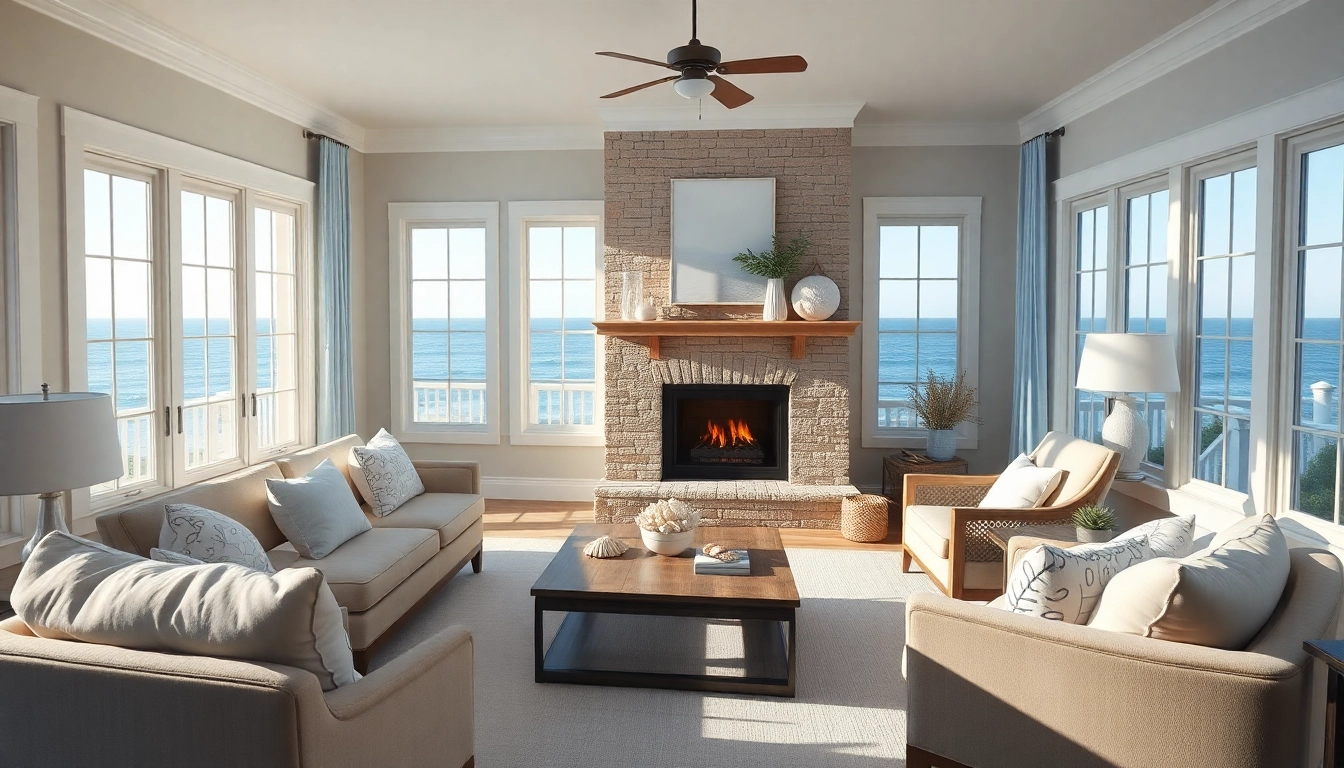
Understanding Cape Cod Homes
Cape Cod homes represent a distinctive architectural style rooted in early American history. Originating in the 1600s, these charming coastal dwellings are characterized by their steep roofs, symmetrical facades, and dormer windows. As you explore the essence of cape cod homes, you'll discover more than just their aesthetic appeal; they narrate a story of resilience and adaptation to the New England climate.
Historical Significance of Cape Cod Homes
The design of Cape Cod homes was influenced heavily by the region's maritime environment. Settlers built these homes with durability in mind, utilizing local materials and methods that could withstand harsh weather conditions. The homes were initially constructed with a central chimney, which served as a heating source for the entire house, and were often made from timber harvested from the surrounding forests. This practical design reflects the early settlers' resourcefulness and connection to their environment.
Key Architectural Features
At the heart of Cape Cod architecture are several key features that define its unique style. These include:
- Steep Roofs: Typically pitched at 45 degrees, the steep roofs are designed to shed snow and rain efficiently.
- Dormer Windows: These added features provide natural light and ventilation to the upper levels without the need for extensive renovations.
- Symmetry: Cape Cod homes often exhibit a balanced facade with centrally placed doors flanked by evenly spaced windows.
- Natural Materials: The original structures were commonly made of wood, either shingles or clapboards, often painted in natural colors reflecting the coastal surroundings.
Regional Variations in Style
While Cape Cod homes share common characteristics, regional variations have emerged over time due to cultural influences and local resources. In Massachusetts, for example, you may find homes adorned with grander entries and intricate mouldings, while those in Maine may exhibit a more rugged, less ornamental style. Such differences reflect the local climate, available materials, and the evolution of architectural tastes.
Design Elements of Cape Cod Homes
Incorporating the right design elements is crucial for maintaining the authenticity of Cape Cod homes while blending in modern features. Here we explore various aspects that contribute to a successful design.
Color Schemes to Consider
The color palette for Cape Cod homes predominantly includes shades of white, soft blues, natural greens, and sandy neutrals. These colors not only signify the seaside setting but also evoke a sense of tranquility. Many homeowners choose to keep their exteriors light and airy, using brighter shades for trim and accents to highlight architectural features.
Materials that Reflect Coastal Living
Materials play a vital role in reinforcing the coastal aesthetic. Traditional Cape Cod homes often use:
- Wood siding: This not only offers a classic look but ensures durability against coastal weather.
- Shingle roofs: These add texture and are effective at blending with the natural landscape.
- Stone accents: Utilizing local stones for foundations or pathways enhances the home’s natural feel.
Integrating Modern Amenities
While preserving the traditional look, integrating modern amenities is a crucial step for comfortable living. Smart home technologies, energy-efficient heating and cooling systems, and sustainable building materials can be seamlessly added to enhance utility and comfort. Homeowners should consider solutions like solar panels discreetly integrated into the roof design or smart thermostats that blend with the house's charm.
Enhancing Functionality in Cape Cod Homes
Functional living spaces are vital for enhancing the experience within Cape Cod homes. By implementing thoughtful design strategies, homeowners can maximize their living areas.
Smart Space Planning Tips
Effective space planning is key to ensuring that every square foot of your Cape Cod home serves a purpose. This may involve:
- Utilizing built-in furniture to save space.
- Incorporating multi-functional rooms that can serve various purposes throughout the day.
- Designing ample storage solutions that keep clutter at bay while maintaining aesthetic appeal.
Creating Open Concept Living Areas
Open concept living areas are increasingly popular in Cape Cod homes, encouraging a sense of connectivity and flow between spaces. Achieving this can be done by:
- Removing non-load-bearing interior walls to create larger communal spaces.
- Utilizing large windows and glass doors to enhance natural light.
- Employing cohesive design elements that connect different areas, such as consistent flooring or a harmonious color scheme.
Outdoor Spaces: Balancing Beauty and Utility
Outdoor spaces are crucial components of Cape Cod homes, often serving as extensions of the indoor living areas. A well-designed outdoor space might include:
- Decks and Patios: These areas allow for enjoying the beautiful views and relaxing with family and friends.
- Gardens: Incorporating native plants can enhance biodiversity while requiring less maintenance.
- Outdoor Furniture: Choose weather-resistant materials that are both comfortable and stylish to make the outdoor areas inviting.
Renovating Your Cape Cod Home
Renovation can breathe new life into Cape Cod homes while maintaining the charm of their original architecture. Understanding the right approach to renovations can ensure seamless updates.
Choosing the Right Contractors
Selecting qualified contractors who understand the intricacies of renovating Cape Cod homes is essential. Look for professionals with experience in historic renovations and reliable references. Ask for portfolios to view previous work and ensure they align with your vision for renovations.
Budgeting for Updates and Renovations
Renovation budgets should be planned meticulously to avoid surprises. Start by listing priorities, then allocate budgets not only for materials and labor but also for contingencies. Engage in detailed discussions with your contractors about potential additional costs.
Design Trends in 2023
Keeping up with current design trends helps to modernize Cape Cod homes while preserving their authenticity. In 2023, trends include:
- Soft, Natural Textures: Emphasizing materials like wood and stone enhances the coastal vibe.
- Warm Color Palettes: Shades such as terracotta, muted greens, and soft pinks are becoming popular.
- Sustainable Options: Eco-friendly materials and technologies are a focal point in modern renovations, echoing the growing environmental consciousness among homeowners.
FAQs about Cape Cod Homes
What makes Cape Cod homes unique?
Cape Cod homes are distinguished by their steep roofs, symmetrical facades, dormers, and use of local materials, all of which reflect their history and adaptation to coastal living.
How can I incorporate coastal design in my home?
Use natural materials, soft color palettes, and nautical decor elements like glass lanterns, shell accents, and coastal-themed artwork to achieve a coastal vibe.
Are Cape Cod homes energy-efficient?
Yes, many Cape Cod homes can be designed or retrofitted for energy efficiency using modern insulation techniques and energy-efficient windows and appliances.
What are common renovations for Cape Cod homes?
Renovations may include kitchen and bathroom updates, expanding outdoor living areas, and modernizing interiors while preserving historical charm.
How do I choose colors for a Cape Cod home?
Select soft, nautical colors such as whites, blues, and sea greens, often reflecting the surrounding coastal landscape. Consider using brighter trim colors for contrast.