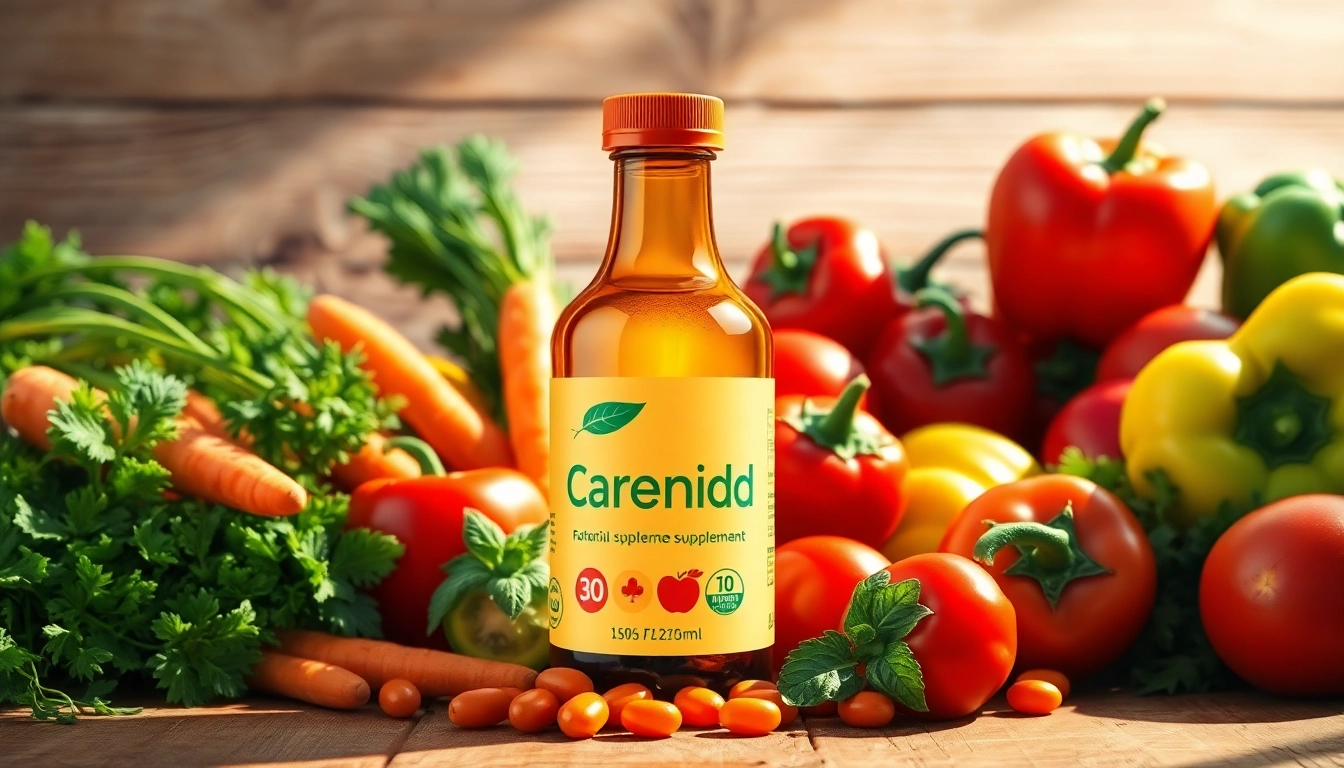
Understanding Natural Carotenoid Supplement
What Are Carotenoids?
Carotenoids are naturally occurring pigments found in various fruits and vegetables, responsible for the vibrant yellow, orange, and red hues they display. These organic compounds play a critical role in plant photosynthesis, converting light energy into chemical energy. Beyond their aesthetic contributions to the plant world, carotenoids are also vital for human health. They come in two primary forms: provitamin A carotenoids, which can be converted into vitamin A in the body, and non-provitamin A carotenoids, which are known for their antioxidant properties and overall health benefits.
Health Benefits of Natural Carotenoids
Natural carotenoids are associated with a plethora of health benefits, making them a valuable addition to any diet. Some notable benefits include:
- Vision Health: Carotenoids like lutein and zeaxanthin are known to support eye health by filtering harmful blue light rays and reducing the risk of age-related macular degeneration.
- Antioxidant Properties: Many carotenoids exhibit antioxidant effects, combating oxidative stress and reducing inflammation, which can lower the risk of chronic diseases.
- Heart Health: Carotenoids may help improve heart health by lowering blood pressure and oxidative stress, thus reducing the risk of heart disease.
- Skin Protection: Regular intake of carotenoids has been linked to better skin health, helping to protect against sun damage and promoting a more youthful appearance.
- Enhanced Immune Function: Certain carotenoids boost the immune system, supporting the body’s defenses against illness.
Types of Natural Carotenoid Supplements
Natural carotenoid supplements come in several forms, including:
- Lutein and Zeaxanthin: Commonly found in eye health supplements.
- Beta-Carotene: Often sourced from carrots and sweet potatoes, it offers vitamin A benefits.
- Astaxanthin: Derived from algae, it is recognized for its potent antioxidant effects.
- Canthaxanthin: Primarily used in cosmetic products for its skin pigmentation effects.
- Mixed Carotenoids: Formulations that combine several carotenoid types to maximize health benefits.
Choosing the Right Natural Carotenoid Supplement
Factors to Consider When Selecting
When selecting a natural carotenoid supplement, consider the following factors:
- Purity and Quality: Look for products that contain natural carotenoids without fillers, additives, or artificial colors.
- Source: Choose supplements derived from whole food sources or reputable brands that ensure high-quality ingredients.
- Dosage: Identify the dosage of carotenoids; higher doses are not always better and should be aligned with dietary guidelines.
- Certification: Products with third-party testing or certifications ensure safety and potency.
- Form: Decide between capsules, soft gels, or powders based on personal preference and ease of incorporation into daily routines.
Top Recommended Forms
Among the various forms of natural carotenoid supplements, some of the most effective options include:
- Soft Gel Capsules: Often easier to swallow and allow for good absorption.
- Powder Forms: Can be mixed into smoothies or foods for a versatile approach.
- Liquid Extracts: These may provide rapid absorption and can be added to drinks or taken directly.
How to Read Supplement Labels
Understanding how to read supplement labels is essential for making informed choices. Focus on:
- Active Ingredients: This tells you the carotenoid content per serving.
- Serving Size: Compare it with the suggested daily intake.
- Other Ingredients: Be wary of fillers or unwanted additives.
- Expiration Date: Ensure freshness and potency.
- Manufacturer Information: Research the company’s reputation for quality and efficacy.
Incorporating Natural Carotenoid Supplements into Your Diet
Combining Supplements with Food
For optimal absorption of carotenoids, it’s best to combine them with healthy fats. Foods like avocados, olive oil, and nuts can enhance the bioavailability of these nutrients. For instance, taking a natural carotenoid supplement alongside a salad drizzled with olive oil can facilitate better absorption of the carotenoids.
Daily Intake Recommendations
The recommended intake for carotenoids varies based on individual needs, dietary habits, and health status. Generally, incorporating carotenoids from both supplements and food can help reach an optimal daily intake of around 6-15 mg. However, it's advisable to consult a healthcare professional to personalize this based on your needs.
Timing of Consumption for Best Results
While there is no one-size-fits-all timing for taking carotenoid supplements, some studies suggest that taking them with meals enhances absorption compared to taking them on an empty stomach. Regular, consistent intake may yield the best health benefits over time.
Potential Side Effects and Considerations
Common Side Effects
Most natural carotenoid supplements are considered safe; however, excessive intake can lead to several side effects, such as:
- Skin Yellowing: High doses of beta-carotene may result in carotenosis, a harmless yellowing of the skin.
- Nausea or Diarrhea: Some individuals may experience gastrointestinal distress.
- Interactions with Medications: It’s important to consider interactions with certain medications, particularly those related to blood pressure and anticoagulants.
Who Should Avoid Natural Carotenoid Supplements?
While many people benefit from carotenoids, some should avoid them or use caution, including:
- Individuals with specific allergies to carotenoid sources.
- Those with hyperlipidemia should consult a doctor.
- Pregnant or breastfeeding women should seek guidance from healthcare providers before use.
Consulting Healthcare Professionals
Before starting any new supplement regimen, consulting a healthcare professional is essential. They can provide tailored advice based on your health history and current medications, ensuring that you maximize benefits while minimizing risks.
FAQs on Natural Carotenoid Supplements
What is the main function of carotenoids?
Carotenoids primarily serve as antioxidants, protecting cells from oxidative damage, and are also precursors to vitamin A, supporting vision and immune function.
How do natural carotenoid supplements enhance skin health?
They help protect skin from UV damage and may improve skin hydration, elasticity, and overall appearance, promoting a youthful look.
Are there any dietary sources rich in carotenoids?
Yes, foods like carrots, sweet potatoes, spinach, kale, and red peppers are excellent sources of carotenoids, offering diverse health benefits.
Can I take natural carotenoid supplements with medications?
Consult your healthcare provider first, as some carotenoids may interact with specific medications, notably blood thinners or cholesterol-lowering drugs.
What is the recommended dosage for these supplements?
The typical daily dosage varies, but it generally ranges from 6 to 15 mg; consulting with a healthcare provider can help determine the best amount for you.