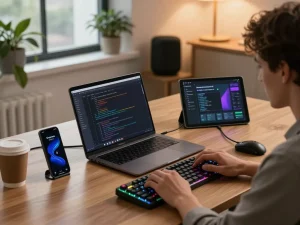

Understanding Online Crypto Mining Basics
As the digital frontier continues to expand, the concept of online crypto mining has emerged as a pivotal element in the cryptocurrency ecosystem. For many, it represents an opportunity to participate in the blockchain revolution and earn crypto assets by validating transactions and securing networks. In this article, we will explore the fundamental aspects of online crypto mining, how it works, and what you need to know to get started.
What is Online Crypto Mining?
Online crypto mining refers to the process of using computer hardware to support and maintain a blockchain network while earning cryptocurrency rewards. Miners solve complex mathematical problems to validate transactions, which are then added to the blockchain. This process requires significant computational power and energy, and can be performed either individually or through mining pools.
Key Components of Mining Operations
Successful online crypto mining operations hinge on several critical components:
- Mining Hardware: A range of devices, from standard CPUs to specialized ASICs, can be used to mine cryptocurrencies. The choice of hardware significantly impacts mining efficiency and profitability.
- Mining Software: Miners require reliable software solutions to connect their hardware to the blockchain, manage operations, and monitor performance.
- Mining Pools: Joining a mining pool allows miners to combine resources and share rewards, increasing the likelihood of earning consistently.
- Power Supply: Energy consumption is a major factor in mining profitability, making a stable and affordable power supply essential.
How Online Mining Differs from Traditional Methods
Traditional mining often involves setting up dedicated hardware in a physical location, requiring upfront investment and ongoing maintenance. In contrast, online crypto mining leverages cloud computing and remote resources, allowing users to mine without heavy physical investments. This shift has democratized access to mining, enabling users with minimal technical skills to participate.
Choosing the Right Mining Software and Hardware
The success of an online mining venture is heavily influenced by the selection of appropriate software and hardware. Various options are available tailored to different levels of experience and investment capability.
Top Software Solutions for Online Crypto Mining
There are numerous mining software options on the market, each catering to specific cryptocurrencies and user preferences. Notable programs include:
- CGMiner: A highly versatile software that supports various hardware and is suitable for both novices and experienced miners.
- BFGMiner: Designed for FPGA and ASIC mining, it’s ideal for users focusing on these specific hardware types.
- NiceHash: A popular platform that allows users to buy and sell hash power, making it accessible for beginners.
Mining Hardware: Essentials vs. High-End Solutions
When it comes to mining hardware, the choices range from essential options to high-end solutions:
- Entry-Level Solutions: CPUs and basic GPUs can be used for mining less intensive cryptocurrencies.
- Mid-Range GPUs: A step up in power and efficiency, suitable for mining more popular currencies.
- ASIC Miners: Application-Specific Integrated Circuits are designed solely for mining, offering the highest efficiency but often at a higher initial cost.
Cost-Benefit Analysis: Hardware Investments
Investing in mining hardware requires careful consideration of potential returns. Factors to analyze include:
- Initial Capital Outlay: The total cost of purchasing the hardware, including setup fees.
- Operational Costs: Electricity, cooling, and maintenance costs which can significantly impact profitability.
- Market Volatility: The fluctuating value of cryptocurrencies can affect earnings, making it crucial to stay updated on market trends.
Joining Mining Pools vs. Solo Mining
One of the primary decisions miners face is whether to join a mining pool or engage in solo mining. Both methods have distinct advantages and challenges, shaping the overall mining experience.
Benefits of Mining Pools
Mining pools allow multiple miners to collaborate, increasing the chances of successfully mining blocks. Key benefits include:
- Steady Income: Pooled resources lead to more consistent payouts, as rewards are distributed based on individual contributions.
- Lower Variance: Sharing rewards can lead to less variability in earnings compared to solo mining.
- Support and Community: Joining a pool often means access to a supportive community of miners and shared learning resources.
Challenges of Solo Mining
While solo mining can offer higher rewards for individual success, it comes with significant challenges:
- High Variance: Solo miners may go long periods without earning any rewards, which can be discouraging.
- Resource Intensity: The computational power required to successfully mine blocks solo is substantial, often necessitating expensive hardware.
- Time-Consuming: The lack of a collaborative effort means more time spent managing operations without guaranteed outcomes.
How to Choose the Right Pool for Your Needs
Selecting a mining pool requires careful evaluation of various factors:
- Fees: Assess the pool’s fee structure, as higher fees can eat into profits.
- Reputation: Research the pool’s track record and community feedback to ensure reliability and trustworthiness.
- Payout Structure: Different pools offer various payout models, such as pay-per-share or pay-per-last-N-shares, impacting how and when you receive payments.
Maximizing Profits in a Competitive Market
The cryptocurrency mining industry is increasingly competitive, making it essential to employ strategies for maximizing profits.
Strategies for Increasing Mining Efficiency
To enhance mining efficiency, consider the following strategies:
- Optimize Hardware Use: Regularly monitor and fine-tune hardware settings to maximize output.
- Stay Updated: Keep up with the latest mining software updates to benefit from improved performance features.
- Energy Management: Invest in energy-efficient devices and consider renewable energy sources to lower operational costs.
Market Trends Impacting Crypto Mining Earnings
Understanding market trends can provide insights into potential profitability:
- Cryptocurrency Prices: The rising and falling values of cryptocurrencies directly influence mining returns.
- Difficulty Adjustments: The mining difficulty of a coin adjusts based on the total network hash rate, impacting the amount of time and resources required to successfully mine.
- Regulatory Changes: New regulations and government policies can impact mining operations and profitability, especially regarding energy use and taxation.
Tax Implications for Cryptocurrency Miners
Tax regulations surrounding cryptocurrency mining can be complex and vary by jurisdiction. Miners often need to consider:
- Income Tax: Earnings from mining are generally considered taxable income.
- Capital Gains Tax: The sale of mined coins may incur capital gains taxes based on the value at the time of sale.
- Expense Deductions: Miners may be eligible to deduct expenses related to hardware and electricity, depending on local tax laws.
Future Trends in Online Crypto Mining
As technology and the market evolve, several trends are poised to shape the future of online crypto mining.
Technological Innovations on the Horizon
Emerging technologies are set to enhance mining operations:
- AI and Machine Learning: These technologies can optimize mining algorithms and improve hardware efficiency.
- Quantum Computing: Although still in its infancy, quantum computing has the potential to revolutionize mining processes significantly.
Environmental Concerns and Sustainable Mining
With growing concerns over the environmental impact of mining, sustainable practices are becoming increasingly important. Solutions include:
- Renewable Energy Sources: Incorporating solar, wind, and hydroelectric power can reduce the carbon footprint associated with mining.
- Energy-Efficient Hardware: Investing in next-generation equipment that uses less power can balance profitability with environmental responsibility.
The Rise of Decentralized Mining Platforms
Decentralized mining platforms are gaining traction, allowing miners to operate without centralized control. This shift can lead to increased transparency and shared rewards across the community.
What do I need to start online crypto mining?
To begin online crypto mining, you will need:
- Mining hardware (GPU, ASIC)
- Mining software
- A stable internet connection
- A cryptocurrency wallet
- Access to a mining pool (if not mining solo)
Can I mine crypto on my laptop or mobile device?
While technically possible, mining on a laptop or mobile device is generally not efficient. These devices lack the processing power and thermal management needed to mine most cryptocurrencies profitably.
Are there risks involved in online crypto mining?
Yes, risks can include:
- Market volatility affecting profitability
- Hardware malfunctions or failures
- Regulatory changes impacting operations
How do mining pools work?
Mining pools allow miners to collaborate by combining their computational power. When a block is mined, miners receive payouts proportional to their contributed power, ensuring more consistent earnings compared to solo mining.
What is the future of online crypto mining?
The future appears promising, with advancements in technology and operational practices likely to make mining more efficient and accessible. As the demand for cryptocurrencies grows, so will opportunities for miners to profit within this evolving landscape.